Excavation
All Star Wrecking digs and backfills foundation holes for new houses and additions, cuts trenches and digs ponds. We are based in Monroe and dig across Fairfield County.
Learn More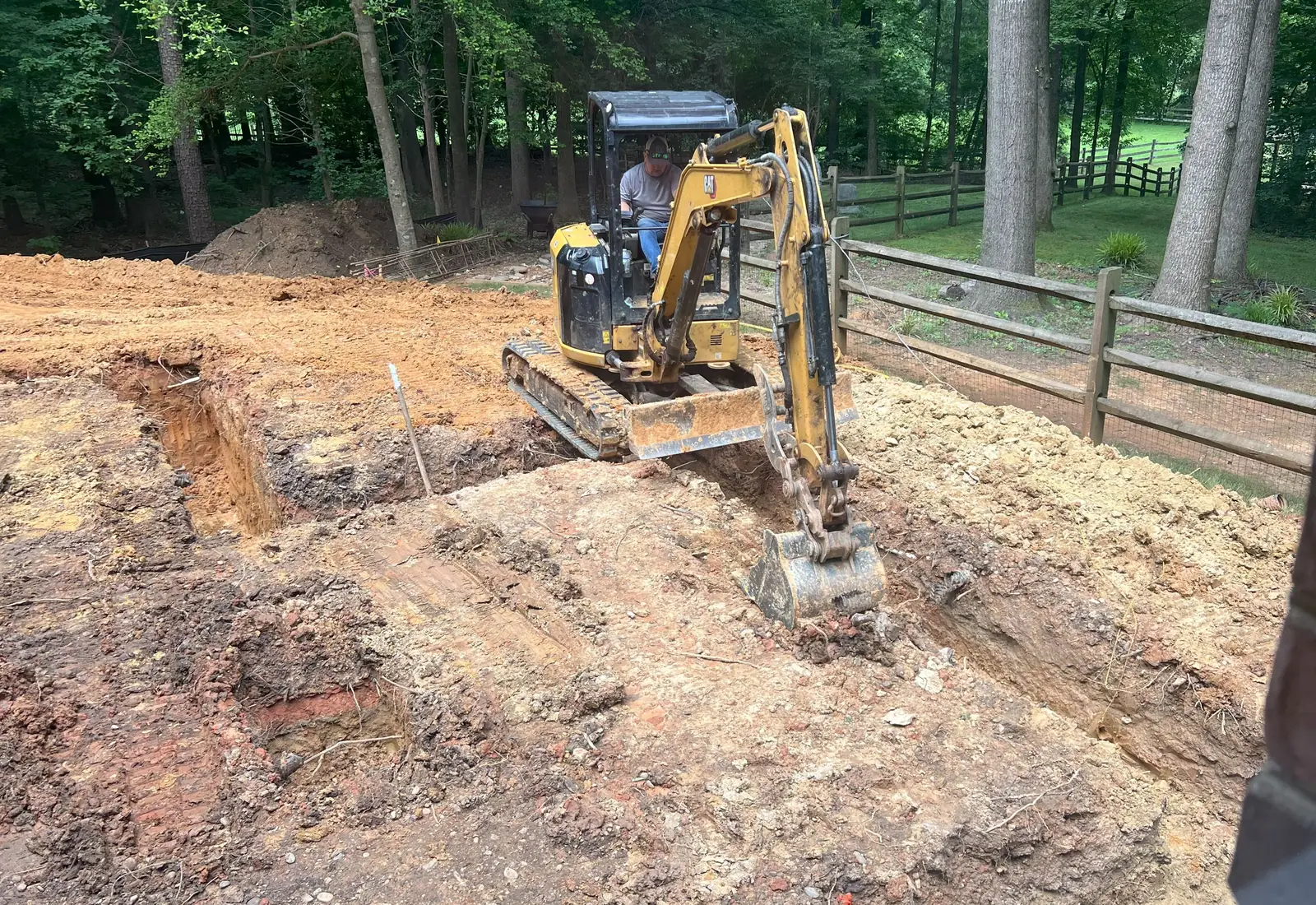
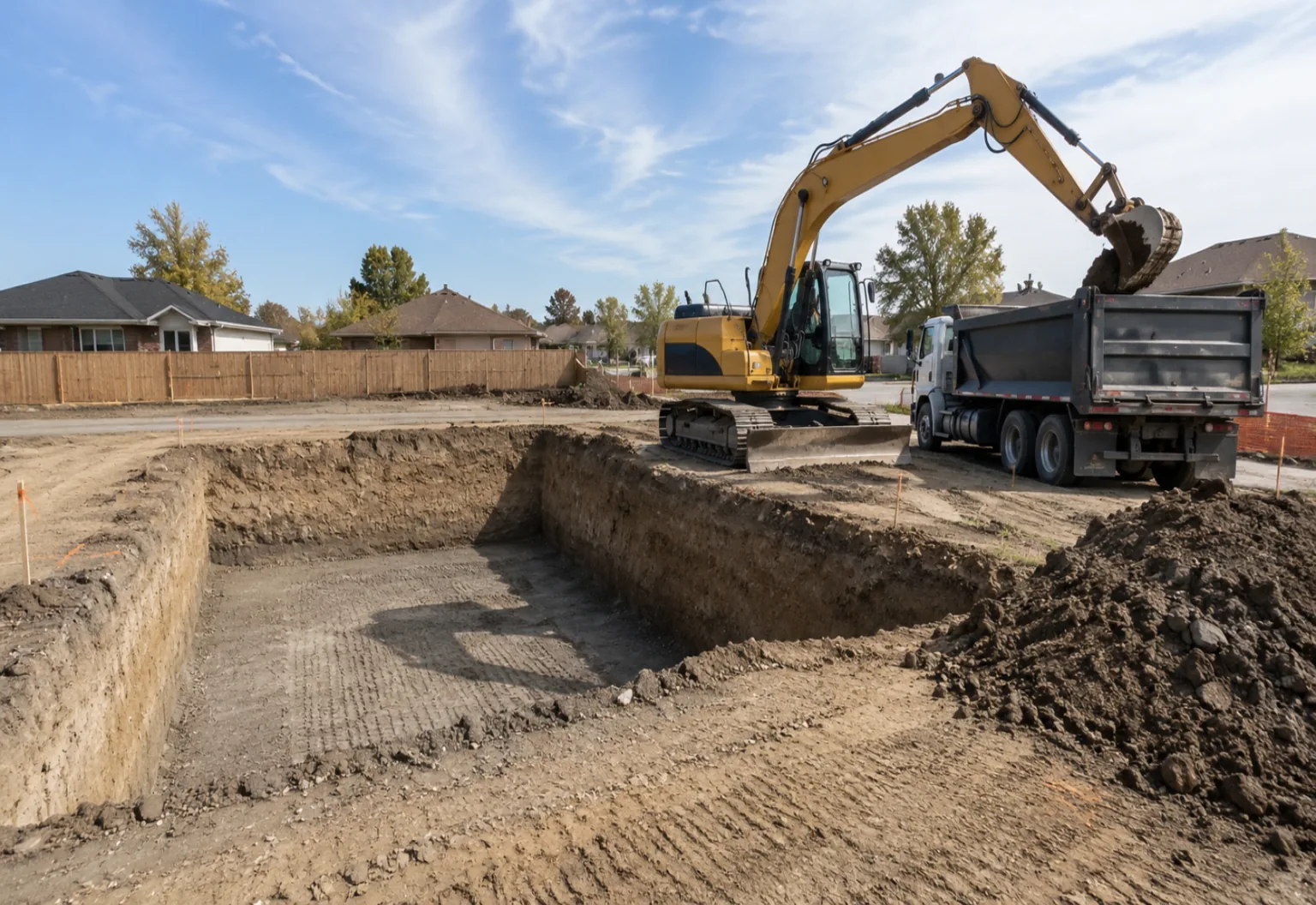
Foundation excavation is digging the hole and the footing trenches that a new foundation sits in. All Star Wrecking does it for new houses, additions and detached garages as part of our excavation work. The hole is dug to the plan's lines and depth. When the foundation walls are ready, we backfill around them.
Many digs are on land somebody bought to build on, and others are for builders. The dig can also be one step in a full new-home package, which is our site work. Our base is Monroe, and we dig foundations across Fairfield County. Call (412) 944-9931 for a free estimate.
Tell us about the job. We will get right back to you.
First the footprint is cleared and the stumps pulled out, since buried roots rot and let the ground settle. Next the builder or the surveyor stakes the corners and sets a mark for depth. Connecticut requires a Call Before You Dig request from anyone digging with power equipment. The request is due at least two full working days before the dig.
The dig itself starts with the topsoil, which goes in its own pile for the yard later. Then the hole goes down, cut wider than the wall lines so the foundation crew has room for forms. The footing trenches come last, cut to the plan's depth. The building code wants footings on undisturbed soil or engineered fill, so trench bottoms are cut clean.
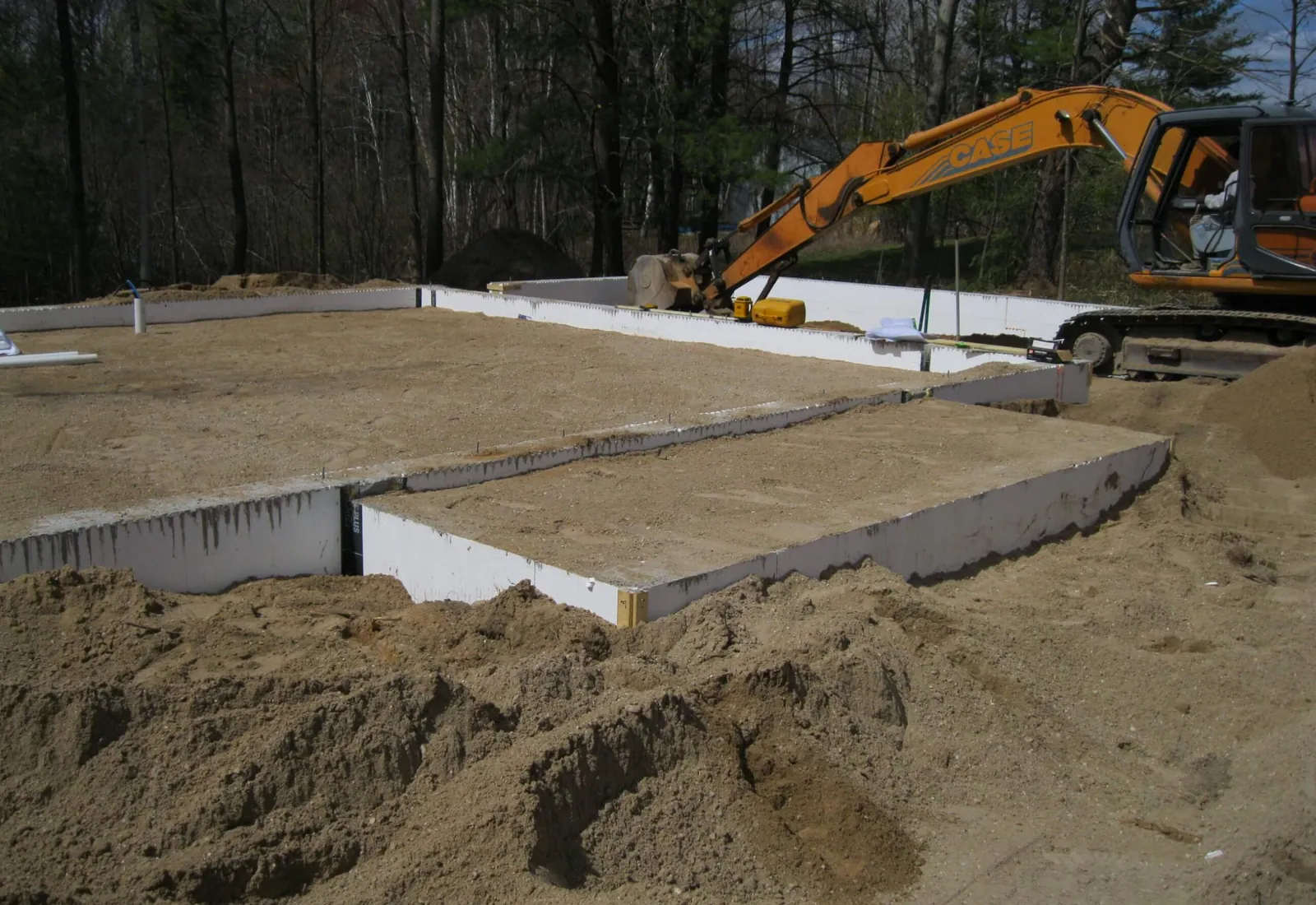
Backfill waits for the foundation contractor's go-ahead, and the state building code sets the bar. A full basement wall must be strong enough and tied to the floor above, or braced, before backfill. Then the spoil goes back in around the walls, and the lot gets a rough grade. The service trenches follow as utility trenching, and the topsoil waits for the final grade.
Frost depth in Connecticut is 42 inches, set statewide in the building code. The code lets a foundation go below that line or sit on solid rock, among a few other methods. Your plan shows the method and the depth, and we dig to it.
A full basement is the deepest dig, with the whole footprint taken down most of a story. A crawlspace needs a shallower hole, and a slab often needs little more than a footing trench around the edge. Some small detached garages are exempt from frost protection under the code. The cutoff is a framed building of 600 square feet or less, with eaves no higher than 10 feet.
Once a hole is 5 feet deep, federal safety rules require a protective system for workers in it. On an open foundation dig, the options include walls sloped back or cut in steps, called benching. The spoil pile also sits at least 2 feet from the edge. That sloping is why a basement hole ends up much wider at the top than the house.
Much of this part of Connecticut sits on glacial till, the packed, stony ground the glaciers left behind. The bucket pulls boulders out as the hole goes down. They can be set aside for you or hauled off with the extra spoil.
On shallow soils like the Hollis series, hard bedrock can be just 10 to 20 inches down. The code accepts solid rock as frost protection, so the plan may set footings right on it. Rock that has to be blasted takes a separate blasting contractor. Connecticut requires a state license and a written permit, signed by the town fire marshal or the state.
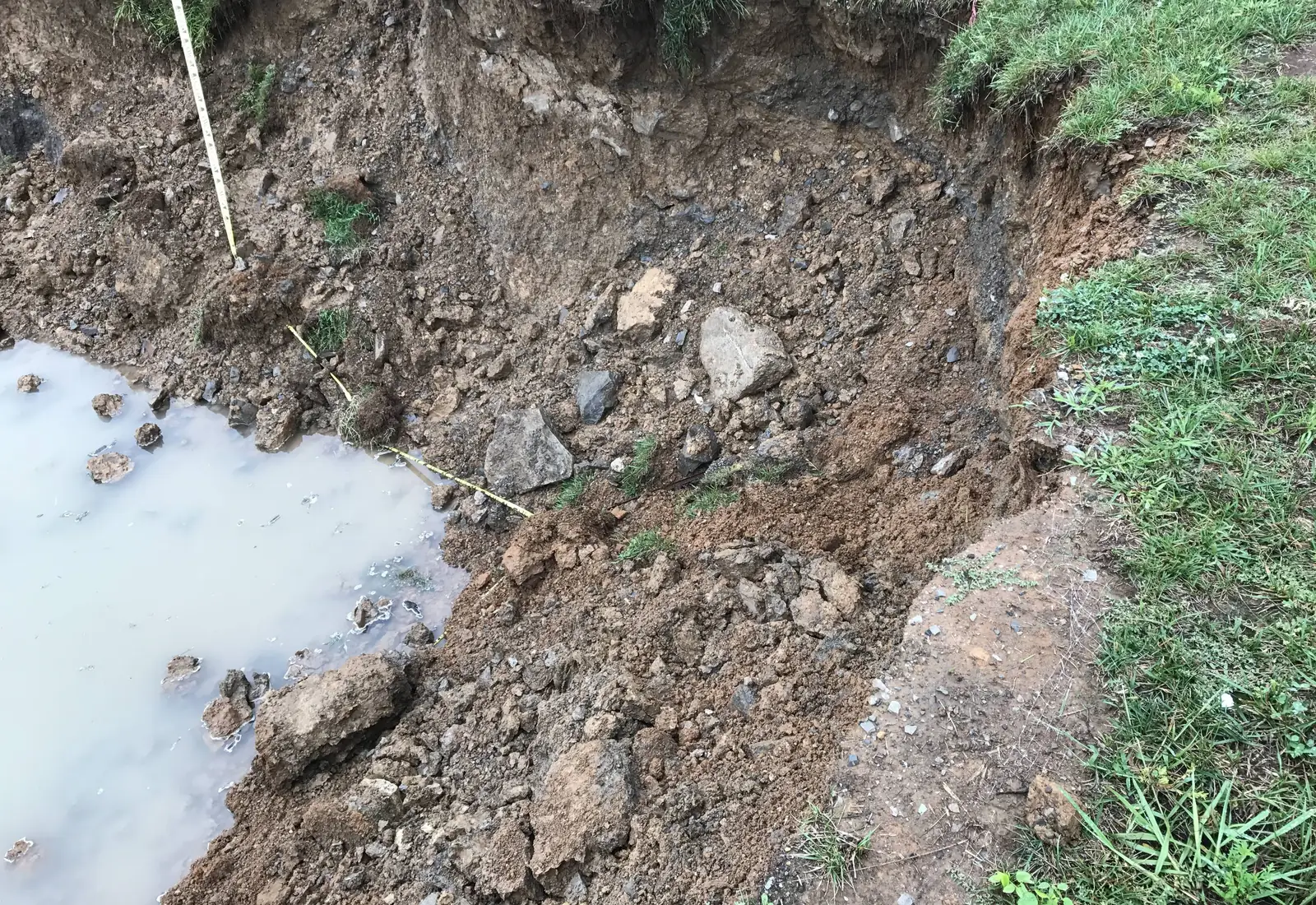
Soils like the Paxton series have a dense hardpan layer roughly 20 to 40 inches below the surface. Water can perch on top of it for short spells from late fall through early spring. So a foundation hole dug in spring can take water, even on a lot that looks dry. That water has to be handled before the forms go in, so the season matters when a dig is scheduled.
Free estimates and site visits across Monroe and the rest of Fairfield County.
(412) 944-9931From the first call to a flat, finished lot, here is how it goes.
Call (412) 944-9931 and tell us what has to come down or get dug out. We ask what is on the lot and how you want it left.
We come out and go over the job with you: the building, the access, where the debris goes. Slope, ledge and wet ground all change how a job gets done.
You get the work, the hauling and the finished grade spelled out in writing. Nothing gets scheduled until you say go.
The demolition permit comes from the town building official, and the town wants the utility disconnects confirmed first. We tell you what your town will ask for and line the job up around it. Call Before You Dig marks the public lines before any digging starts.
The debris is hauled away, the cellar hole is filled to grade and the ground is left flat. We go over the finished site with you before we pull off the job.
Common questions about foundation excavation across Monroe and the rest of Fairfield County. If yours is not here, call and ask.
All Star Wrecking digs and backfills foundation holes for new houses and additions, cuts trenches and digs ponds. We are based in Monroe and dig across Fairfield County.
Learn More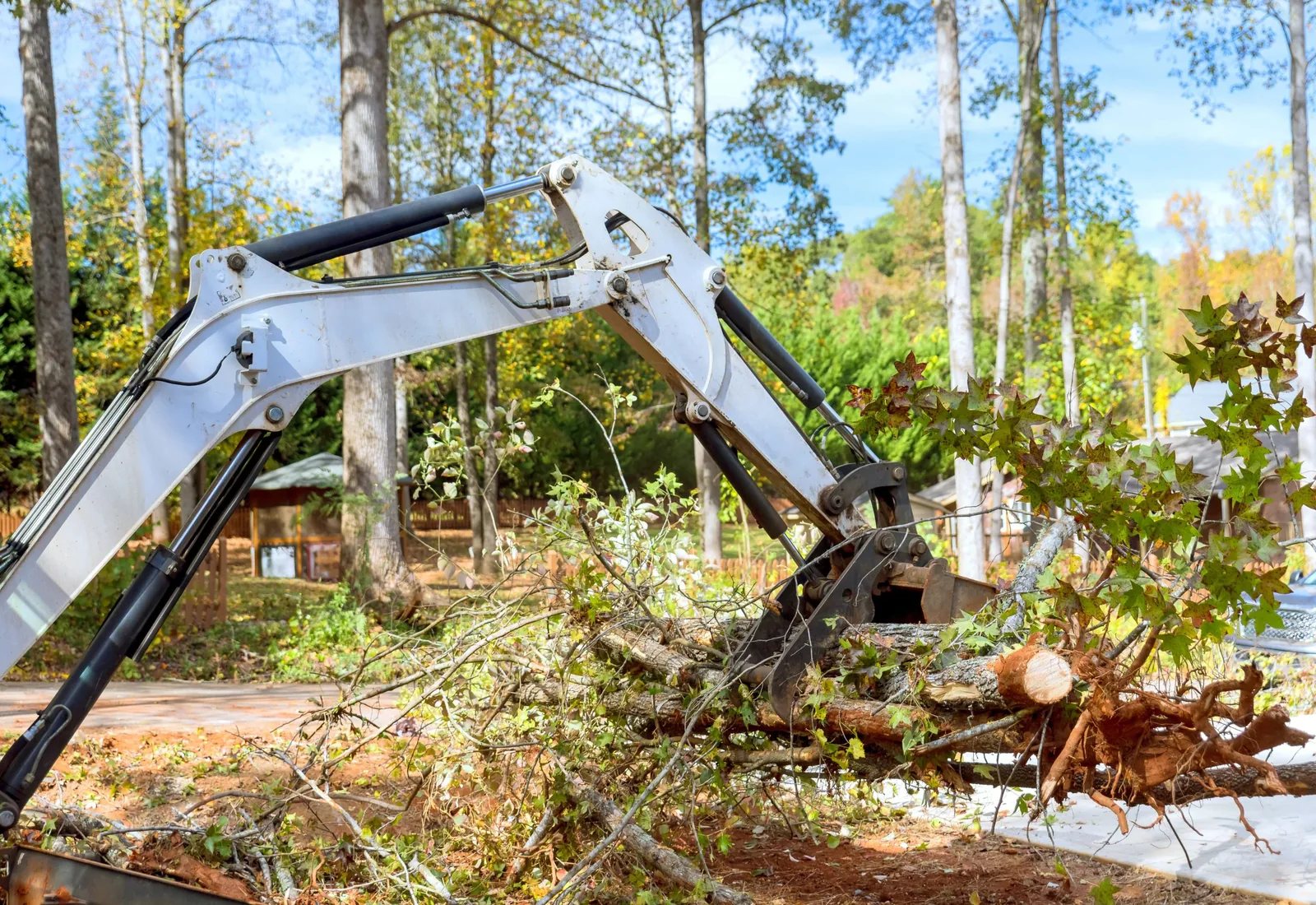
We do the site work for a new home in Monroe and across Fairfield County. The lot gets cleared, the driveway cut in, the foundation dug and the yard graded.
Learn More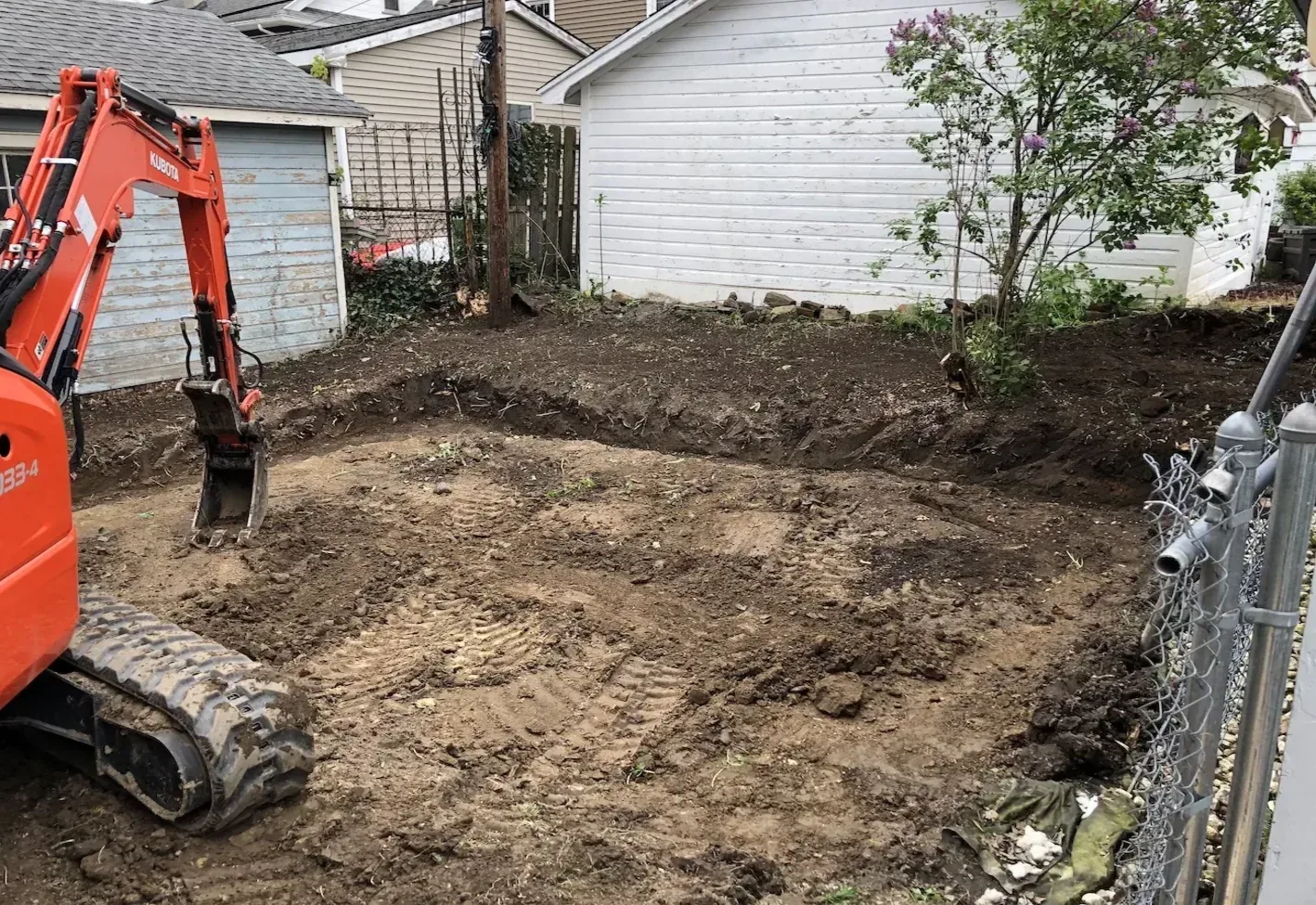
We backfill, rough grade and finish grade with excavators, then spread topsoil and put grass seed down. Yards are regraded so water runs away from the house instead of sitting against it.
Learn MoreThe base is Monroe. We work across Fairfield County and the towns just over the New Haven County line.
The company came out of general construction, from commercial buildings to water main work for cities and towns. Knowing how a building went up shapes how it comes down.
The teardown, the digging, the clearing and the final grade all come from the same company. One number to call while the lot is being worked.
We come look at the site, then put the work and the price in writing. Call (412) 944-9931 to set one up.
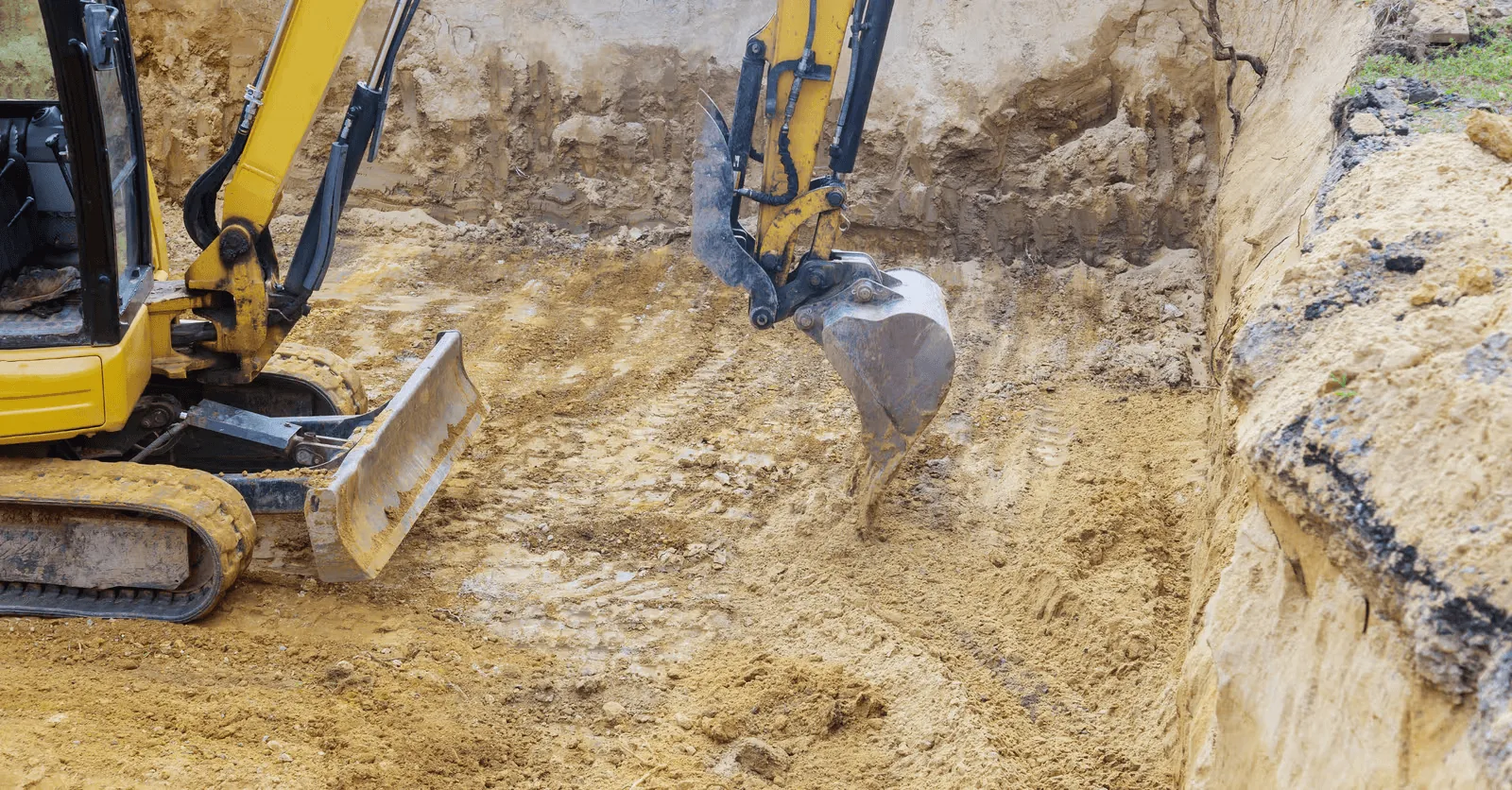
A national cost guide puts a new-house basement dig at $10,000 to $30,000. See what moves foundation excavation cost in Connecticut. Call (412) 944-9931.
Read more →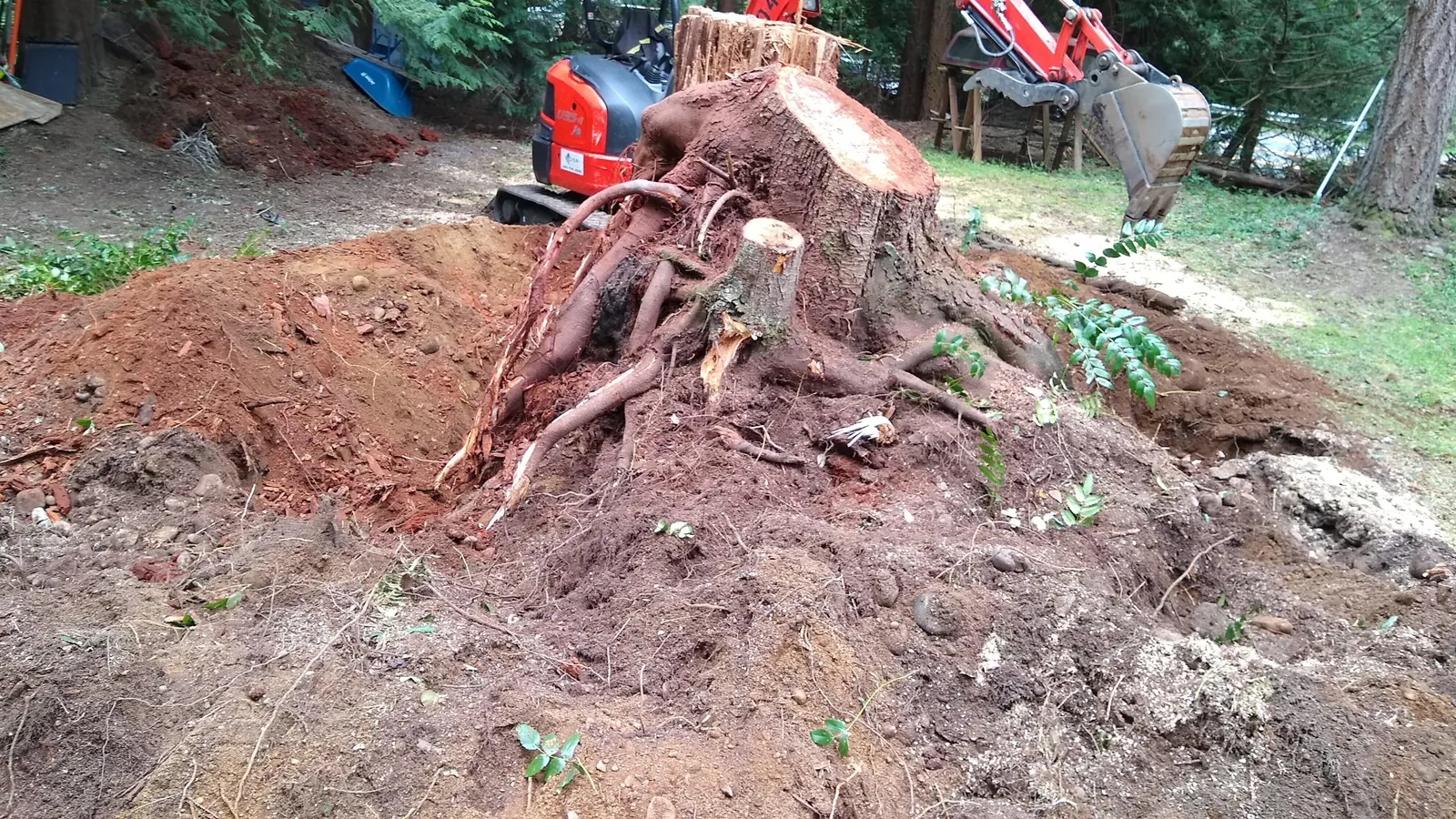
Cost guides put stump removal at about $175 to $525 a stump and grinding at $131 to $450. See what moves the price in Connecticut. Call (412) 944-9931.
Read more →Tell us what has to come down, get dug or get cleared, and how you want the lot left. Call (412) 944-9931 or send the form and we will set up a look at the site.
Tell us about the job. We will get right back to you.