Excavation
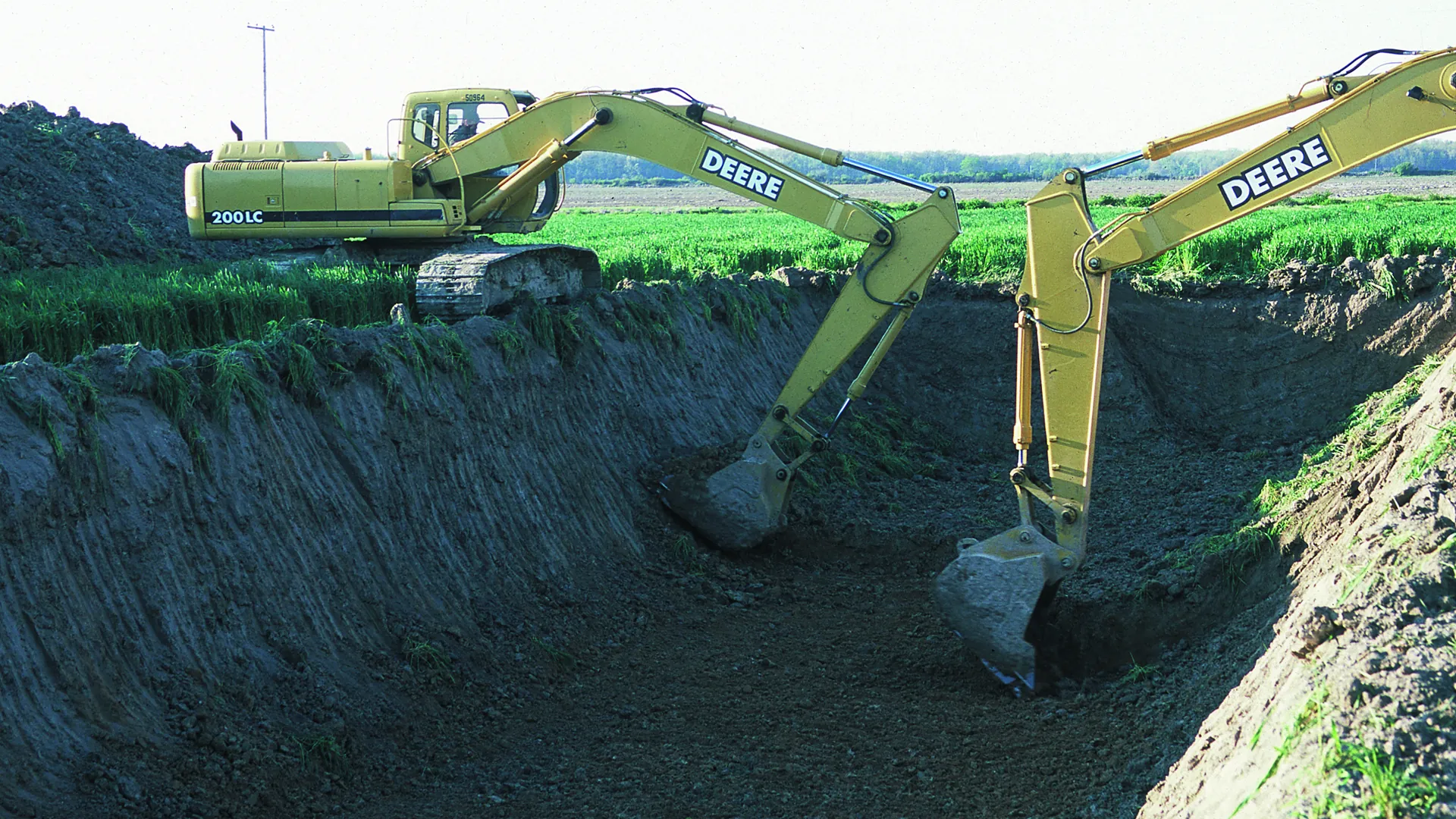
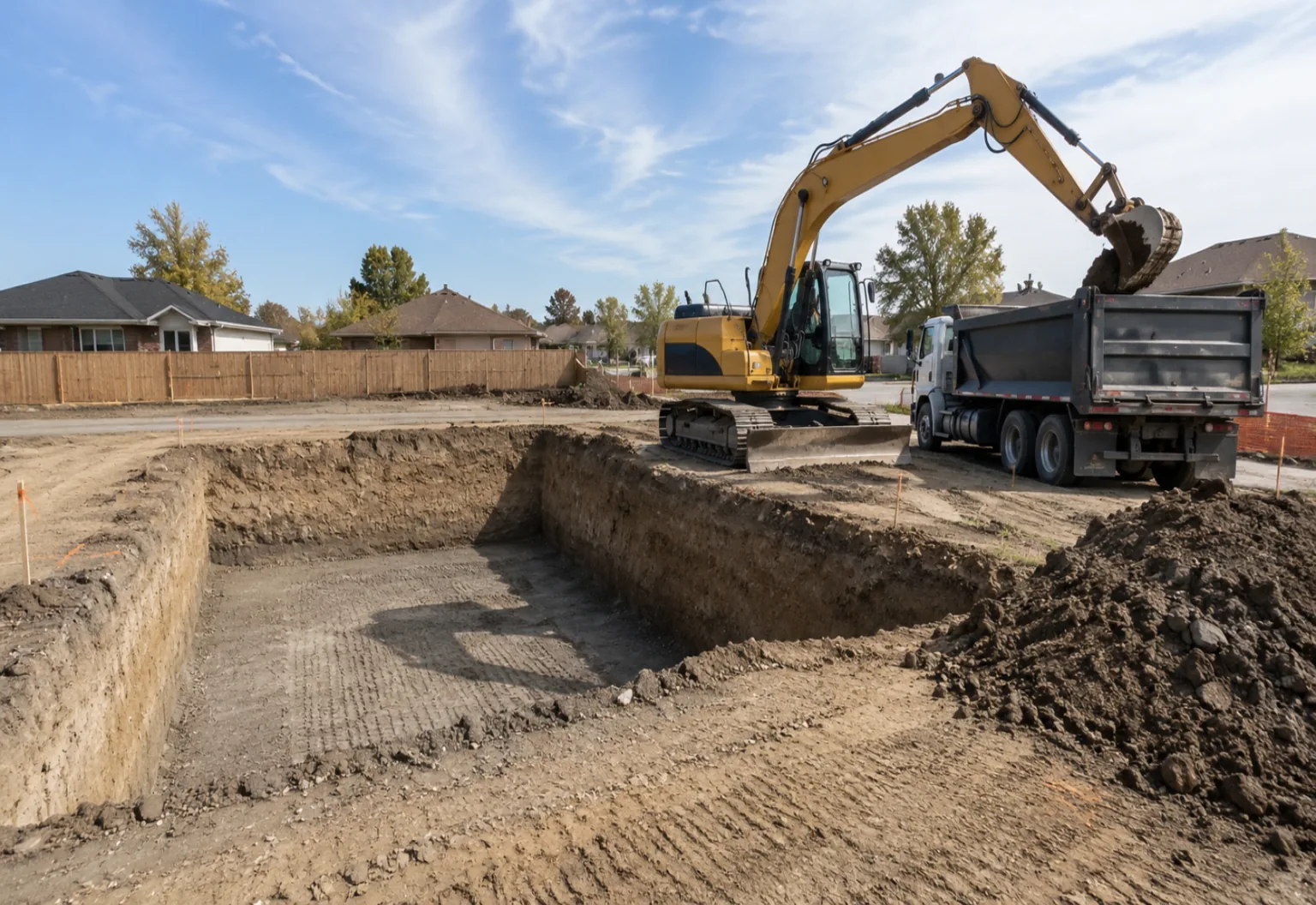
All Star Wrecking digs and backfills foundation holes for new houses and additions, cuts trenches and digs ponds. We are based in Monroe and dig across Fairfield County.
Learn More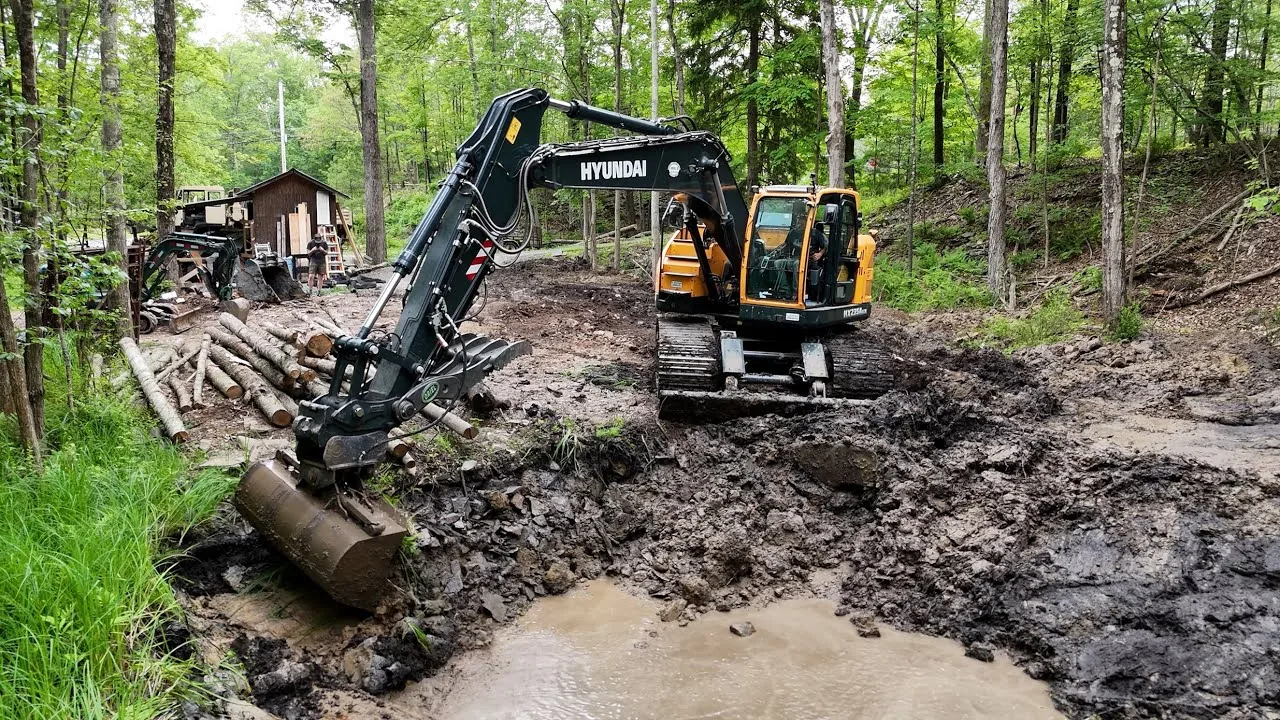
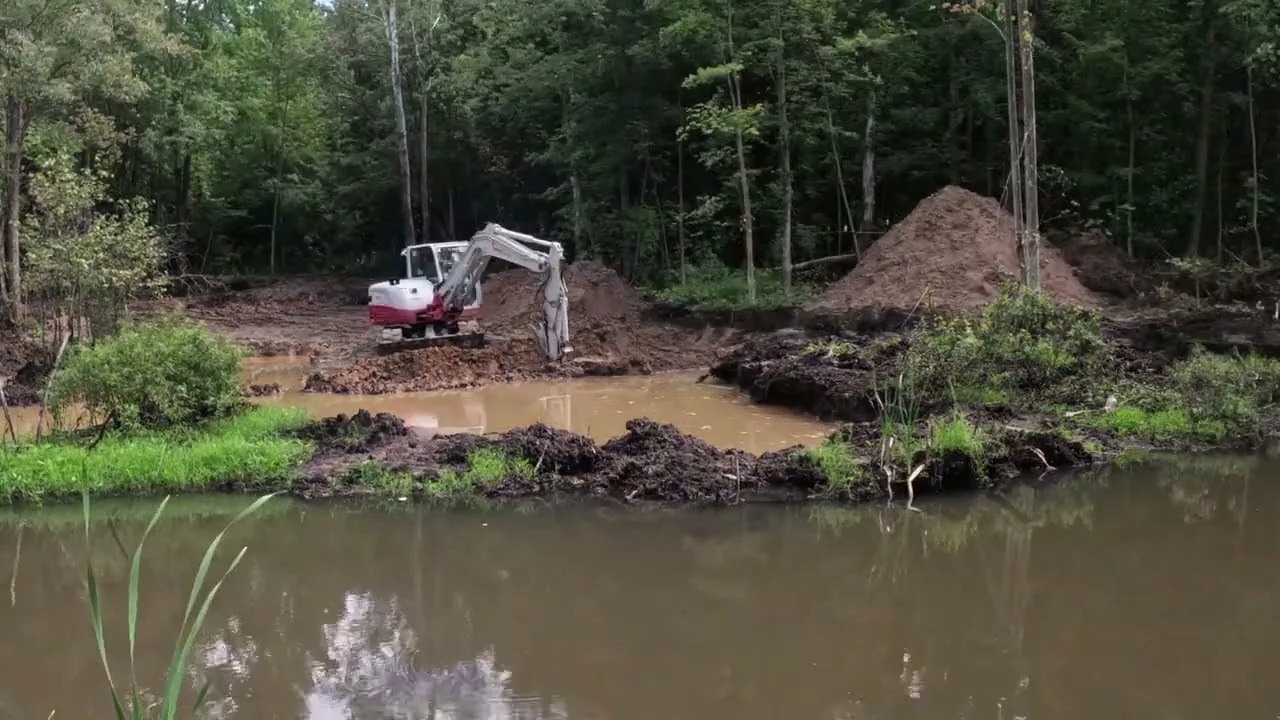
Pond excavation is digging a new pond into your land with excavators. All Star Wrecking digs new ponds as part of our excavation work. We dig on open ground, and on wooded land once the spot is cleared.
A pond puts water on the land and gives the house something to look at. Insects and other wildlife tend to move into a new pond almost right away. We can also cut a path down to the water, which is brush clearing work. We are based in Monroe, and you can call (412) 944-9931 for a free estimate.
Tell us about the job. We will get right back to you.
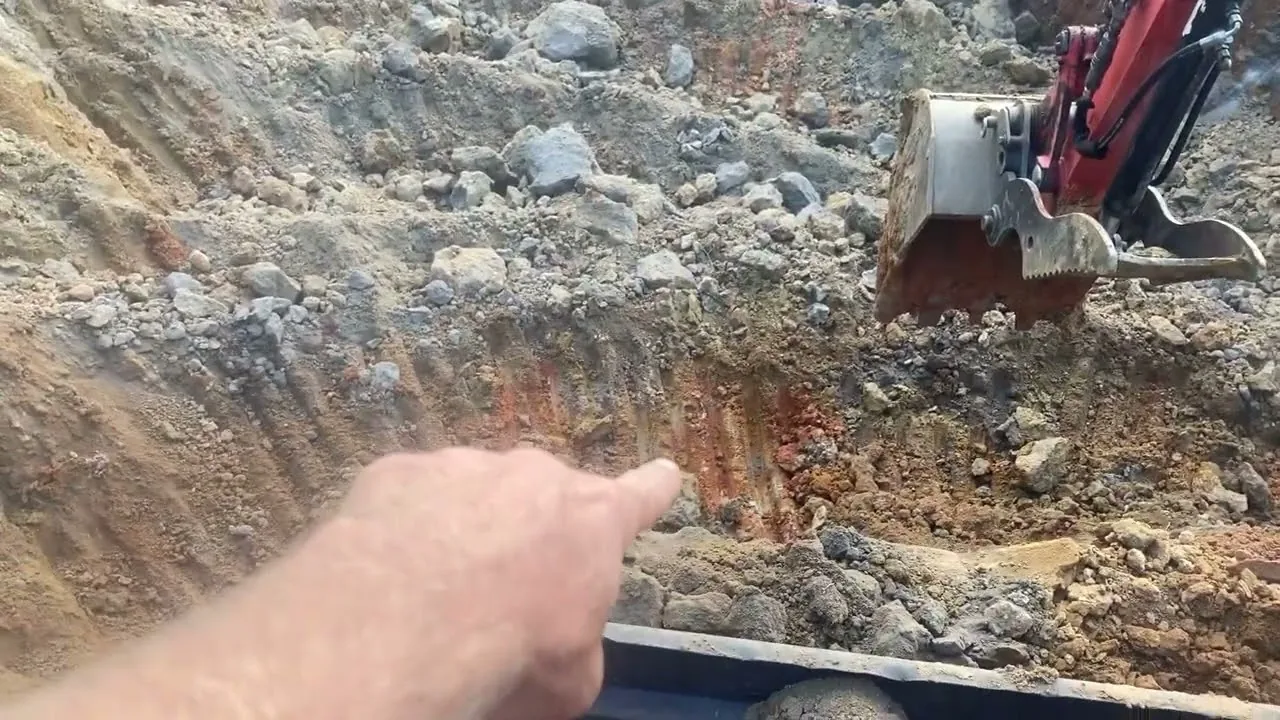
A pond dig starts with a test hole or two, to read the soil and see where the water sits. A Cornell Extension pond guide says test holes are the only sure way to judge a site's water supply. Even a test hole needs a Call Before You Dig request first. It goes in at least two full days ahead, not counting weekends or holidays.
Trees and brush come off the pond site and the ground around it, and the stumps come out too. The Cornell guide says that clearing keeps roots from causing problems in the pond. We do that land clearing with the same excavators. Then the topsoil is stripped down to the subsoil and piled aside for the finish.
Next the basin is dug to the planned shape and depth. The banks are cut back and shaped so they hold and can be mowed or walked. The job ends with the topsoil back on and the bare ground seeded, which is our grading and seeding work.
Good pond soil lets water through slowly and has a high clay content, the same Cornell guide says. Sand and gravel soils, like the Hinckley series found in Connecticut, drain fast. A pond dug in them may need a liner, and another contractor puts those in.
The Paxton series, a widespread soil on Connecticut's glaciated uplands, formed in glacial till. It has a dense hardpan roughly 20 to 40 inches down, and water moves through that layer slowly. Water can perch on top of it for brief spells from late fall through early spring. So the season matters when a test hole is read.
Ledge sets the other limit, since a pond can only go as deep as the rock allows. In shallow Hollis soils, hard bedrock sits about 10 to 20 inches down. Going deeper takes rock work by another contractor, such as blasting. Connecticut requires a state license for blasting, plus a written permit from the town fire marshal or the state.
Connecticut's wetlands law counts ponds as watercourses, natural or artificial. Digging in a wetland or a watercourse is a regulated activity, and towns can regulate the ground around them too. Wetlands are drawn by soil type here, so a spot with no standing water can still be one. The town inland wetlands agency is the office that decides.
A pond held back by an embankment or a dam can fall under the state dam safety law. If a dam could endanger life or property by breaking, a state DEEP permit comes before it is built.
The wetlands law lists farm ponds of three acres or less as a use permitted as of right. That applies when the pond is essential to the farming operation. Even then, the town agency is the office to check with first. We point you to the right office, and the dig follows what it approves.
Free estimates and site visits across Monroe and the rest of Fairfield County.
(412) 944-9931From the first call to a flat, finished lot, here is how it goes.
Call (412) 944-9931 and tell us what has to come down or get dug out. We ask what is on the lot and how you want it left.
We come out and go over the job with you: the building, the access, where the debris goes. Slope, ledge and wet ground all change how a job gets done.
You get the work, the hauling and the finished grade spelled out in writing. Nothing gets scheduled until you say go.
The demolition permit comes from the town building official, and the town wants the utility disconnects confirmed first. We tell you what your town will ask for and line the job up around it. Call Before You Dig marks the public lines before any digging starts.
The debris is hauled away, the cellar hole is filled to grade and the ground is left flat. We go over the finished site with you before we pull off the job.
Common questions about pond excavation across Monroe and the rest of Fairfield County. If yours is not here, call and ask.
All Star Wrecking digs and backfills foundation holes for new houses and additions, cuts trenches and digs ponds. We are based in Monroe and dig across Fairfield County.
Learn More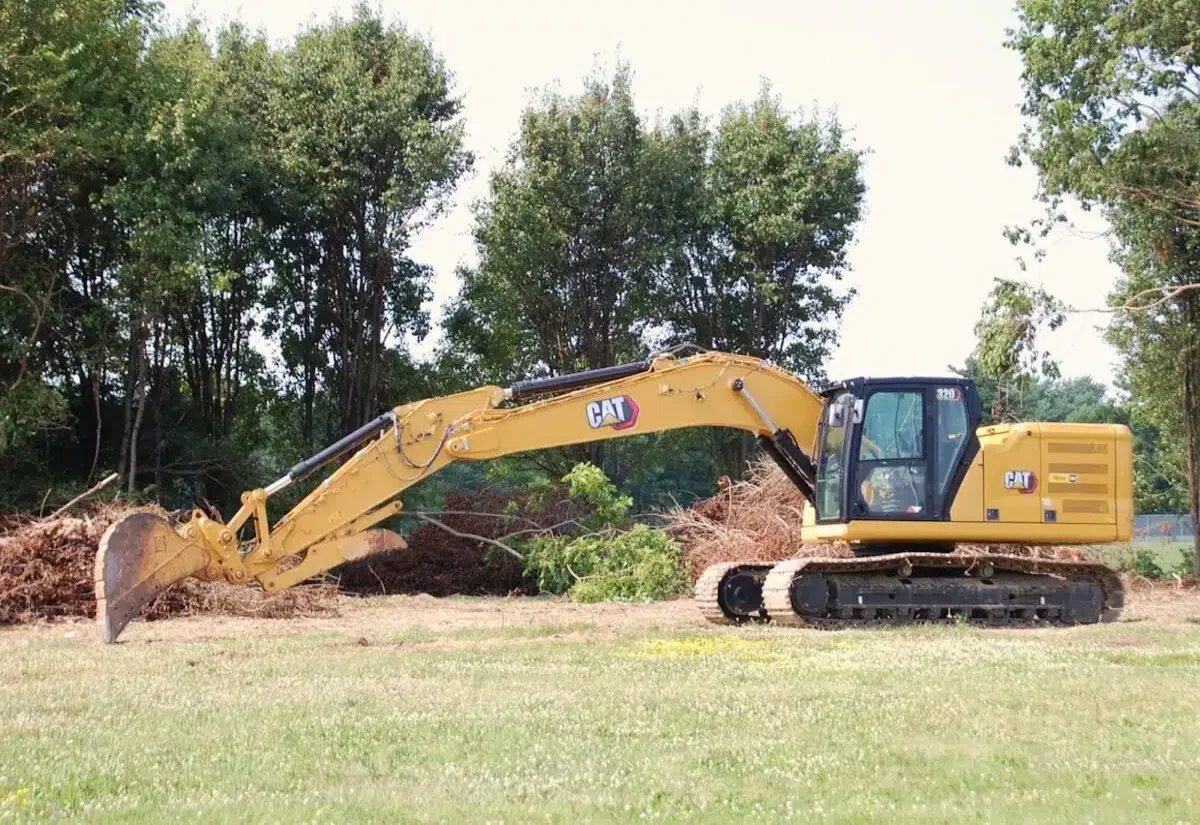
We clear whole lots and single sections with excavators, from the trees down to the stumps. The wood and brush are hauled off and the ground is left ready for the next step.
Learn More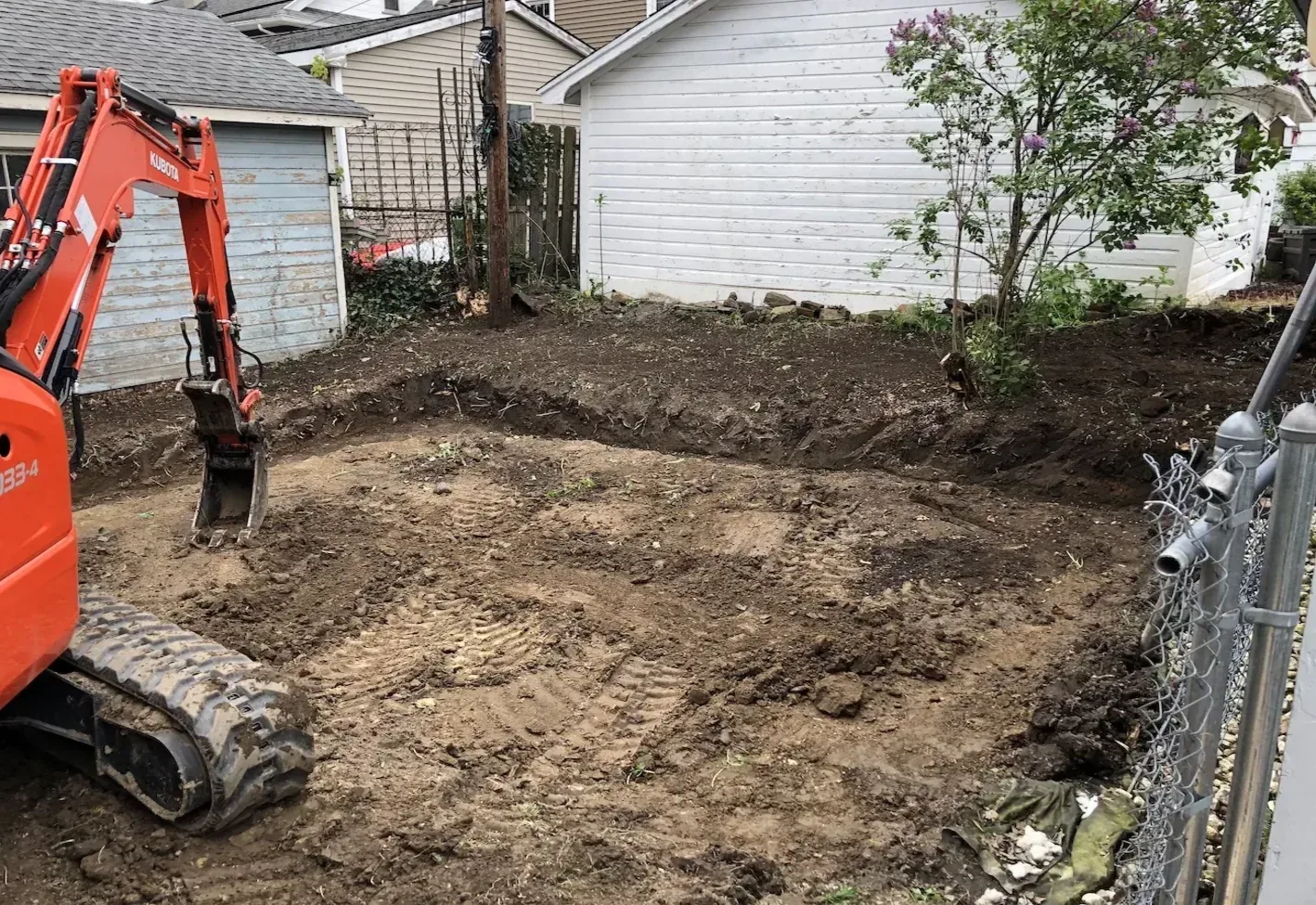
We backfill, rough grade and finish grade with excavators, then spread topsoil and put grass seed down. Yards are regraded so water runs away from the house instead of sitting against it.
Learn MoreThe base is Monroe. We work across Fairfield County and the towns just over the New Haven County line.
The company came out of general construction, from commercial buildings to water main work for cities and towns. Knowing how a building went up shapes how it comes down.
The teardown, the digging, the clearing and the final grade all come from the same company. One number to call while the lot is being worked.
We come look at the site, then put the work and the price in writing. Call (412) 944-9931 to set one up.
Tell us what has to come down, get dug or get cleared, and how you want the lot left. Call (412) 944-9931 or send the form and we will set up a look at the site.
Tell us about the job. We will get right back to you.