How Much Does It Cost to Dig a Pond in Connecticut?
One national cost guide puts a pond at $2,900 to $15,600 on average, or $2.50 to $9.00 per square foot. Ponds under 10 acres run $3,000 to $15,000 per acre in that guide. A second national guide prices larger farm and fishing ponds at $2,000 to $25,000 per acre. It puts a 1 acre pond at $7,000 to $25,000.
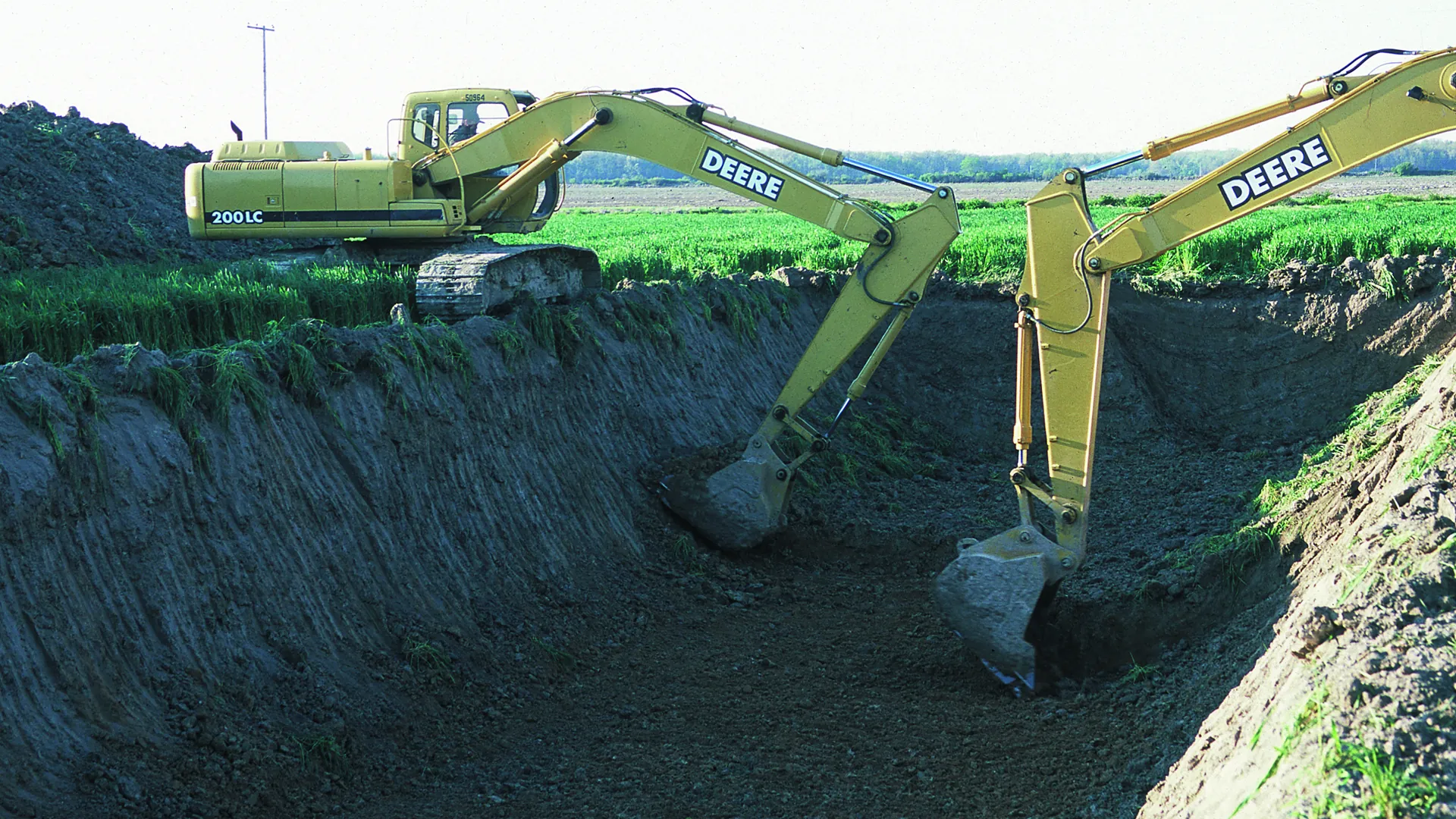
For the dig alone, the first guide lists $320 to $3,400 for an average backyard pond in Bridgeport, CT. Those are market numbers from national cost guides, not our price list. All Star Wrecking does pond excavation as part of our excavation work. This post prices the excavator work on an earthen pond, dug for a farm, for fishing or for wildlife.
What do national cost guides say a pond costs by size?
The first guide’s size table lists the average installed cost of a pond. A bigger pond costs more in total. The second guide adds that larger ponds cost less per square foot or per cubic yard.
| Pond size or type | Market range, first national guide |
|---|---|
| Quarter acre | $1,800 to $8,100 |
| Half acre | $2,400 to $11,600 |
| 1 acre | $3,000 to $15,000 |
| 2 acres | $6,000 to $30,000 |
| Farm pond | $3,000 to $23,000 |
| Fishing pond | $7,000 to $59,000 |
The second guide puts a pond of up to half an acre at $4,000 to $25,000. Its 1 acre figure is $7,000 to $25,000.
The first guide says small backyard ponds can cost more than large farm or fishing ponds. Small pond installs typically include synthetic liners, fountains, waterfalls and water plants. Most larger ponds have simpler layouts, with no liner or a natural clay liner. A buyer may add a liner, a pump, a filter, lighting, plants or fish, and other trades price those parts.
How do size and depth change the cost to dig a pond?
Size and depth set how many cubic yards of soil come out of the hole. The first guide prices excavation at $2.50 to $15.00 per cubic yard. The second puts the dig for a larger pond at $1.50 to $3.50 per cubic yard.
Bigger ponds tend to go deeper too, the second guide says. In the first guide, fishing ponds average 6 to 8 feet deep. Farm ponds there are typically a quarter acre to 5 acres and 6 to 12 feet deep.
Depth adds up fast. Across a quarter acre, each foot of depth is about 400 cubic yards of soil. Small digs carry a floor too. Most excavators have a $500 to $800 minimum project fee, the first guide says.
What does the ground do to the price?
The first guide says rocky or sandy soils are not ideal for ponds, and digging rocky soil takes more labor. The second guide says loose soil is easier and less expensive to work. In that guide, clay-like soil, rocky ground and lots of trees can add $1,200 or more.
Ledge sits close to the surface in parts of Connecticut. Hollis soils, a shallow soil on the state’s glaciated uplands, have hard bedrock about 10 to 20 inches down. Where ledge is that close, it can set how deep a pond goes. Rock that has to be broken out is work for another contractor, priced on its own.
A geotechnical soil report runs $1,000 to $5,000 in the first guide. An extension pond guide says the only sure way to know a site’s water supply is to dig test pits. It calls them an added expense, and they show the soil layers before the main dig starts.
Where does the dug soil go, and what does that cost?
The soil that comes out of a pond is called spoil. Some of it shapes the banks, and the rest can be spread and graded on the property. Hauling it away runs $140 to $230 per cubic yard in the first guide. That is $1,400 to $2,300 for a 10-yard truckload.
In that guide, hauling a cubic yard away costs far more than digging it. The second guide’s advice is to reuse the dug soil rather than pay for disposal.
Where the spoil lands matters in Connecticut too. The state wetlands law counts filling and grading as a deposit of material. A deposit in a wetland or a watercourse is a regulated activity, so it needs a permit.
How do trees, slope and access change the price?
On wooded land, the trees and brush come off the pond site first, and the stumps come out. The first guide puts land clearing at $1,200 to $8,000 per acre for a lightly wooded lot. A heavily wooded acre runs $7,000 or more in the same guide.
The same guide says ponds built near trees take more upkeep, from falling debris and roots growing in. We handle that land clearing and stump removal with excavators, so the stumps come out roots and all.
Slope and access move the number as well. The first guide says sloped sites take more labor and excavation. In that guide, labor also costs more when the site is hard to reach with a truck or big equipment.
What does grading after the dig add?
Once the basin is dug, the ground around it gets graded and seeded. The second guide says to add about $2,000 when grading is not in the estimate. The first guide puts leveling or regrading a yard at $500 to $5,000, depending on the project size.
That finish is our land grading work. The topsoil stripped off before the dig goes back on, and then the seed goes down.
Do you need a permit to dig a pond in Connecticut?
Connecticut’s wetlands law counts ponds, natural or artificial, as watercourses. Digging in a wetland or a watercourse is a regulated activity. It takes a permit from the town inland wetlands agency, and towns can regulate the ground around them too.
Wetlands are set by soil type here, so ground that looks dry can still count. The law lists farm ponds of three acres or less, essential to the farming operation, as permitted as of right. The town agency is the office to ask whether a pond fits that rule.
The first guide says farm ponds typically have an earthen embankment. An embankment like that can fall under Connecticut’s dam safety law. The law covers dams and similar structures that could endanger life or property by breaking away.
Building a dam like that takes a permit from the DEEP commissioner first. The application goes in with drawings, plans and specifications, and a licensed professional engineer inspects the work.
Permit fees run $100 to $2,000 in a third national guide, depending on the area and the pond’s size. We point you to the right office, and the dig follows what it approves. The town agency has the final word on a wetlands permit, and DEEP on a dam.
How do you get a real number for your pond?
Published ranges are a starting point. The real number comes from the size and depth, the ground, the way in and where the spoil goes.
All Star Wrecking is based in Monroe and digs ponds across Fairfield County. We look at the site first, and the estimate is free and comes in writing. Call (412) 944-9931, or read how our pond excavation runs from the first test pit to the seeded bank.