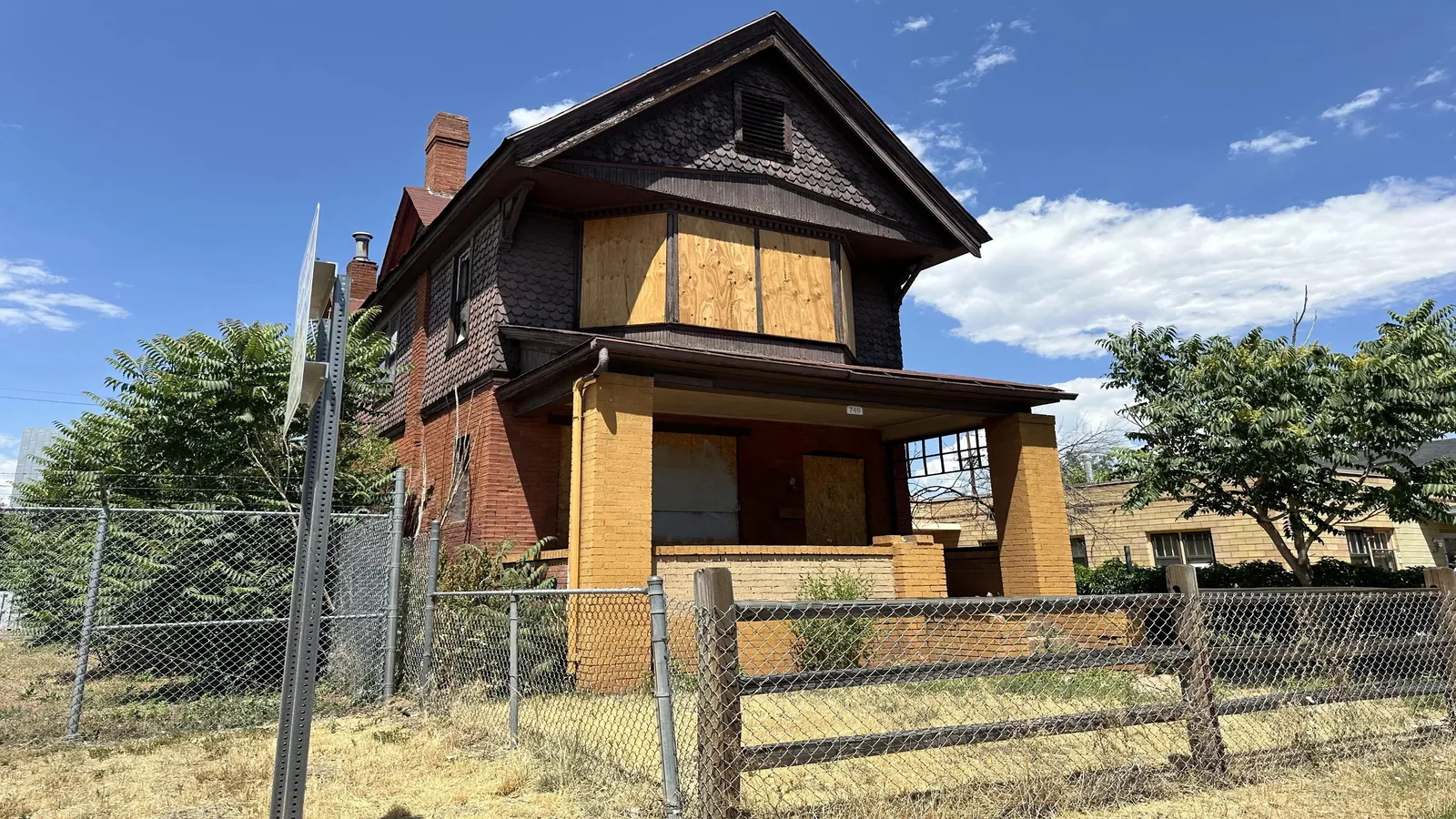
Tear Down and Rebuild or Remodel? How Connecticut Homeowners Decide
Remodeling costs less per square foot than building new, right up until it does not. National cost guides put a home renovation at about $15 to $150 per square foot. A national home builders association survey put new single family construction near $162 per square foot in 2024. The average home in that survey was 2,647 square feet.
A kitchen, a bath or a new roof is a remodel question. A bad foundation and a layout you cannot live with is a teardown question. Those are market numbers, not our price list. We are a demolition contractor in Monroe, and here is how the decision usually breaks down in Fairfield County.
When does a teardown beat a remodel?
Start under the house. A wet, cracked or fieldstone foundation costs real money to fix. When you are done, the old house is still sitting on top of it.
Then look at the layout you want. Moving load bearing walls or adding a floor means opening the structure anyway. A gut job also means paying to take the old house apart first.
Age is the third piece, and Connecticut has old houses. Census figures for 2023 put the median Connecticut home at 1967, against 1980 nationally. In the Greater Bridgeport planning region, which includes Monroe, the median is 1959. About 20 percent of Connecticut homes were built in 1939 or earlier, against under 12 percent for the country.
Old houses hold old materials. Asbestos and lead paint are normal finds here. Both add steps to a remodel and to a teardown.
What do a remodel and a rebuild cost per square foot?
| What you are comparing | Remodel | Tear down and rebuild |
|---|---|---|
| Published cost per square foot | About $15 to $150, by depth of work | About $162 average for a new single family home in 2024 |
| The old foundation | Stays, and gets repaired if it is bad | Comes out with the house |
| The layout | Works around what is already there | Drawn from scratch |
| Flood zone rules | Work over 50 percent of value triggers them | Built to today’s flood rules from day one |
| Zoning | Old footprint usually stays | Meets today’s setbacks and coverage, town decides |
| Living arrangements | You often stay in the house | You live somewhere else |
| The lot at the end | Old shell, new finishes | Flat ground, ready for the builder |
Those ranges are national averages. They say nothing about your house or your town. The teardown itself is its own question, and we answer it in our post on house demolition cost.
Does the flood zone decide it for you?
Near Long Island Sound it often does. FEMA calls work substantial improvement when the cost “equals or exceeds 50 percent of the market value of the structure” before it starts. Substantial damage applies the same 50 percent test to repairs after a flood, a fire or a storm.
Cross that line and the house has to meet the rules for new construction. FEMA’s guide says the building “must be brought into compliance with NFIP requirements for new construction”. That includes lowest floors “elevated to or above the base flood elevation”. The same guide says owners can meet that “by demolition followed by construction of new buildings that meet the NFIP requirements on the same sites”.
That is why older shoreline houses come down and go back up higher. Monroe, Fairfield, Westport and Stratford all take part in the National Flood Insurance Program. Each one has flood maps and a local official who applies the rule. Some towns set a stricter percentage than 50.
What do setbacks and lot coverage do to a rebuild?
Connecticut law lets each town regulate “the height, number of stories and size of buildings”. Towns also set “the percentage of the area of the lot that may be occupied”. Plenty of older houses sit where today’s rules would not put them.
State law protects what is already standing. Zoning regulations may not “prohibit the continuance of any nonconforming use, building or structure existing at the time of the adoption of such regulations”. A remodel inside the old footprint usually keeps that protection.
A new house is a new building. It generally has to fit current setbacks, coverage and height. On a small or oddly shaped lot, that can shrink what you are allowed to build. Your town zoning office decides, so ask there before plans get drawn.
What has to happen before an old house comes down in Connecticut?
The demolition permit comes from the town building official. The town wants written confirmation from the utilities that service to the house has been cut off. State law also requires notice to each abutting property owner by registered or certified mail before demolition starts.
Some towns then make you wait. State law lets a town impose “a waiting period of not more than one hundred eighty days” before granting a demolition permit. Preservation Connecticut’s statewide list puts Monroe, Stamford and Westport at 180 days. Norwalk is 120 days. Bridgeport and Trumbull are 90 days, and Fairfield is 60 days. Danbury, Newtown and Stratford have no delay. During a waiting period, state law allows no action toward demolition, “including, but not limited to, site remediation and asbestos abatement”.
Asbestos carries its own rules. Connecticut requires a demolition notification to the state Department of Public Health at least ten days before the work starts. Commercial buildings and residential buildings with five or more units must be inspected by an asbestos consultant before demolition. Where material has to come out, a licensed asbestos contractor does that part first. We tell you what your town will ask for and line the job up around it.
Septic and well come up on rebuild lots. Connecticut ties septic review to the design flow of the system. A single house sits at the local health department end of that scale. Well work is a registered driller’s trade. Ask your health department early, since it decides what a new house needs.
How long does a teardown take, and what is left after?
The machine work is the short part. National cost guides say a house can come down in “as little as a few hours” with heavy equipment. The same guides say a job with hazardous material like asbestos “could take several weeks”. Permits, notices and utility disconnects usually set the calendar.
On our jobs the structure comes down, the debris is sorted and hauled away, and the foundation comes out. Connecticut law is plain about the hole left behind: fill it “to grade and remove all excess materials, rubbish and debris from the premises”. You end up with flat ground.
That flat lot is the start of the next job. A builder needs the driveway cut in, the new foundation dug and the final grade set. That is the site work side of a rebuild.
Talk it through before you commit
If the house is staying, a remodel contractor is your next call. If it is coming down, All Star Wrecking handles whole house demolition across Monroe and the rest of Fairfield County. The debris is hauled away and the lot is left flat. Call (412) 944-9931 for a free estimate and a written quote after we look at the site.